Decoding 'The Bad Seed': The Children's Book vs. The Band
The phrase "The Bad Seed" conjures different images for different people, depending on their cultural touchstones. For some, it might evoke a charming, insightful children's story about personal growth. For others, it immediately brings to mind the distinctive, often intense soundscapes of an iconic rock band. While both entities share a striking, memorable name, their origins, purposes, and audiences couldn't be more divergent. This article delves into the distinct worlds of Jory John's popular picture book and the legendary band Nick Cave & The Bad Seeds, exploring what makes each a unique force in its respective domain.
The Children's Book: A Sprout of Self-Acceptance and Change
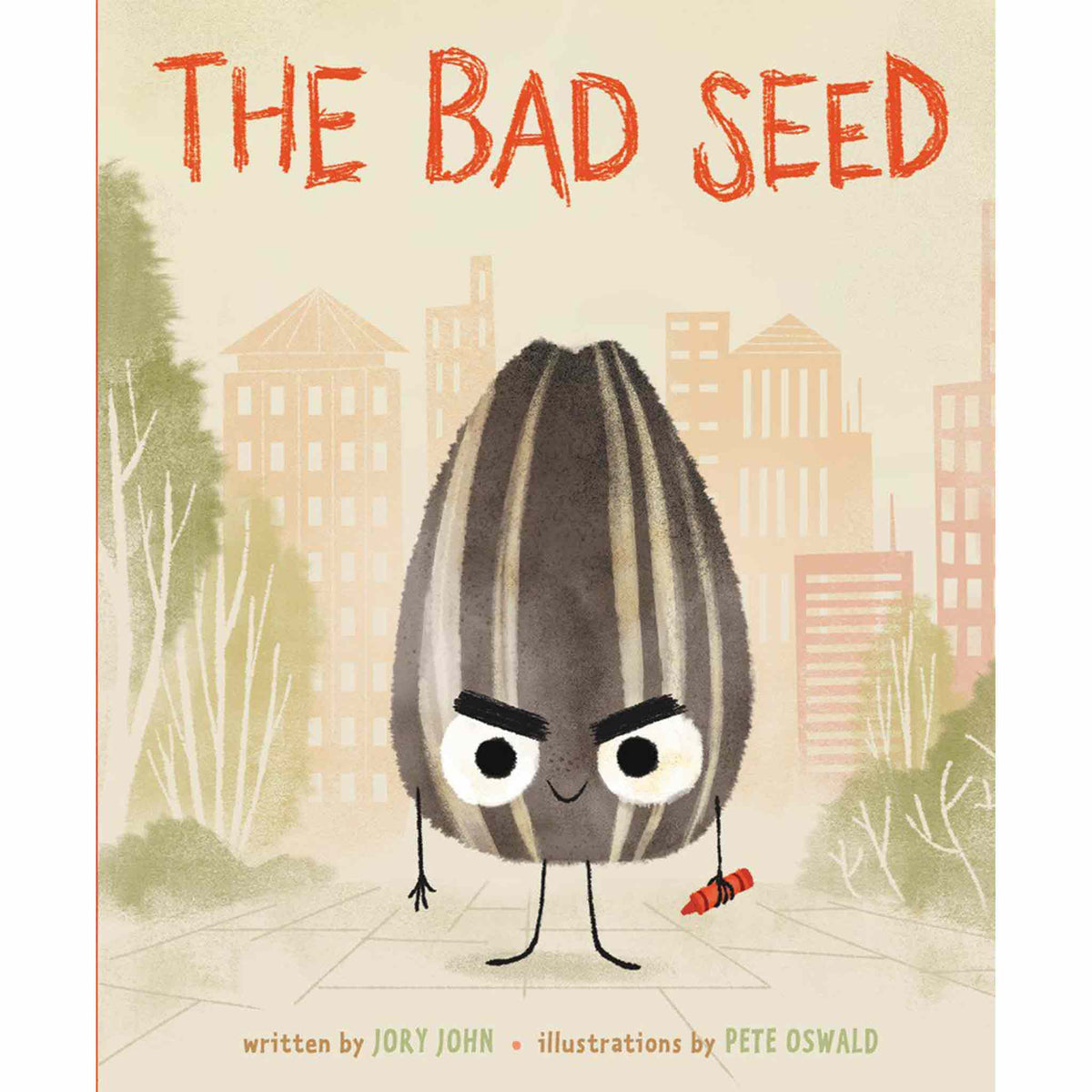
At first glance, The Bad Seed Book: Unpacking Its Message & Acceptance might seem like a simple tale for young readers, but its depth resonates with audiences of all ages. Written by Jory John and beautifully illustrated by Pete Oswald, this book introduces us to a protagonist who is, quite literally, a bad seed. Not just any bad seed, but a baaaaaaaaaad seed – one plagued by a bad temper, bad manners, and an undeniably bad attitude. From being late to interrupting others and telling fibs, this seed has embraced its negative reputation for as long as it can remember.
However, the narrative takes a poignant turn as the bad seed decides it no longer wants to be defined by its past actions. It chooses happiness and embarks on a journey of transformation. The book doesn't shy away from the challenges of changing ingrained habits, acknowledging that it's difficult to shed an identity built on negativity. Yet, it powerfully illustrates that positive change is indeed possible, even if it happens "one day at a time."
John's endearing text, complemented by Oswald's expressive and bold illustrations, crafts a story that is both funny and deeply touching. It serves as a vital reminder of the transformative power of sheer willpower, self-acceptance, and the courage to simply be yourself. For young readers, it offers an accessible lesson in empathy, self-reflection, and understanding the consequences of choices. For adults, it's a comforting affirmation that we all have the capacity to evolve and reshape our own narratives, regardless of past mistakes or perceived flaws. The book's universal message about internal change and the impact of one's decisions highlights how we can alter the image we project to the world and, more importantly, to ourselves.
- Key Message: The remarkable transformative power of will, acceptance, and embracing one's true self.
- Target Audience: Primarily young readers, but universally appealing to anyone navigating personal growth.
- Educational Value: Teaches about consequences, perseverance, and the possibility of positive change.
Nick Cave & The Bad Seeds: A Legacy Etched in Rock History
Shifting gears dramatically, "The Bad Seeds" also signifies one of the most influential and enduring alternative rock bands of the past four decades: Nick Cave & The Bad Seeds: Tracing Their Iconic Rock Journey. Formed in Melbourne, Australia, in 1983, this collective emerged from the ashes of frontman Nick Cave's previous group, The Birthday Party, originally conceived as a backing band for Cave's solo work. After briefly toying with the name "Cavemen," they were officially christened The Bad Seeds in 1984, a name that perfectly encapsulates their darkly poetic, often intense, and profoundly artistic identity.
Led by the enigmatic singer, songwriter, and vocalist Nick Cave, the band's lineup has seen various iterations, yet always maintained a core of exceptionally talented multi-instrumentalists. Early key members included Mick Harvey and Blixa Bargeld, with later crucial additions such as violinist Warren Ellis, bassist Martyn P. Casey, and drummers Thomas Wydler and Jim Sclavunos. This ensemble has crafted a distinctive sound that defies easy categorization, weaving elements of post-punk, gothic rock, blues, and experimental music into a rich tapestry.
Since their 1984 debut album, From Her To Eternity, Nick Cave & The Bad Seeds have cultivated a formidable discography, earning critical acclaim and a dedicated global fanbase. Their artistic integrity and uncompromising vision have led to numerous hit albums, with six reaching the Official UK Album Chart top ten. The band is renowned for its lyrical depth, exploring themes of love, death, religion, violence, and redemption with a literary sensibility rarely found in contemporary music. Their live performances are legendary for their raw energy and emotional intensity, cementing their status as true artistic innovators rather than mere entertainers.
- Formation: Melbourne, Australia, 1983; evolved from Nick Cave's previous band, The Birthday Party.
- Key Members: Nick Cave (frontman), Mick Harvey, Blixa Bargeld, Warren Ellis, and others.
- Musical Style: A unique blend of alternative rock, post-punk, gothic rock, and blues, characterized by poetic lyrics and intense delivery.
- Legacy: Critically acclaimed albums, numerous chart successes, and a profound influence on contemporary music.
Worlds Apart: A Comparative Analysis
The stark contrast between Jory John's "The Bad Seed" and Nick Cave & The Bad Seeds could not be more apparent. While both use the evocative phrase "The Bad Seed," their interpretations and implications are vastly different:
- Genre and Medium: One is a vibrant picture book designed for children's literacy and moral development; the other is a sophisticated rock band producing complex albums for adult audiences.
- Core Message: The book champions personal transformation, self-acceptance, and the power of choice to overcome negativity. The band, while diverse in its themes, often explores the darker facets of the human condition, existential angst, and raw emotion, with a focus on artistic expression rather than overt moral lessons.
- Target Audience: The book aims to inspire and teach young minds (and their parents) about growth and change. The band caters to a mature audience appreciating profound lyrical narratives, challenging musical arrangements, and a distinctive artistic vision.
- Connotation of "Bad Seed": In the book, the "bad seed" is a literal entity capable of becoming good through effort. In the context of the band, "The Bad Seeds" evokes a sense of unconventionality, perhaps a group that doesn't conform, or an exploration of inherent 'badness' and its complexities within human nature, often with a poetic, even romanticized, edge.
The shared phrase acts as a fascinating linguistic coincidence, highlighting how a common idiom can be reinterpreted and imbued with entirely new meanings across different creative realms. It underscores the power of language to evoke diverse imagery and narratives depending on the context.
Understanding the Context: Why It Matters
For anyone encountering "The Bad Seed" for the first time, understanding the context is crucial to avoid confusion. A simple search for "The Bad Seed" could yield results ranging from heartwarming children's literature to brooding rock anthems. This phenomenon perfectly illustrates the richness of language and how a powerful, metaphorical phrase can inspire disparate yet equally impactful works.
To quickly discern which "The Bad Seed" you're looking for:
- If it's about a literal seed and moral lessons: You're likely looking for Jory John's book. Look for author names, children's book genres, or vibrant illustrations.
- If it's about rock music, deep lyrics, and a frontman named Nick Cave: You're referring to the iconic band. Search for album titles, discographies, or music genres like alternative rock or gothic rock.
Both the book and the band, in their own unique ways, have become significant cultural touchstones. They offer profound experiences, whether it's guiding a child through the journey of self-improvement or taking an adult listener on an emotionally charged musical odyssey.
Conclusion
The phrase "The Bad Seed" serves as a captivating example of linguistic versatility, giving rise to two profoundly different yet equally significant creative works. Jory John's children's book offers a charming, essential lesson in self-acceptance and the transformative power of positive choice, resonating with anyone navigating personal growth. Conversely, Nick Cave & The Bad Seeds have forged a formidable legacy in the world of alternative rock, renowned for their intricate lyricism, powerful performances, and unwavering artistic integrity. Despite sharing a common name, these two entities exist in separate universes, each enriching its respective audience with unique stories, messages, and artistic expressions. Their distinct paths beautifully illustrate how a simple phrase can spark wildly different, yet equally compelling, forms of art.